
 education
Focus: Celebration and Despair with Maxwell Taylor
A portrait of Maxwell Taylor, a Bahamian artist born in Nassau in 1939, whose woodcuts address human rights, despair, celebration and atrocity. A look back at his career and at the retrospective the National Art Gallery of the Bahamas devoted to him in 2009.
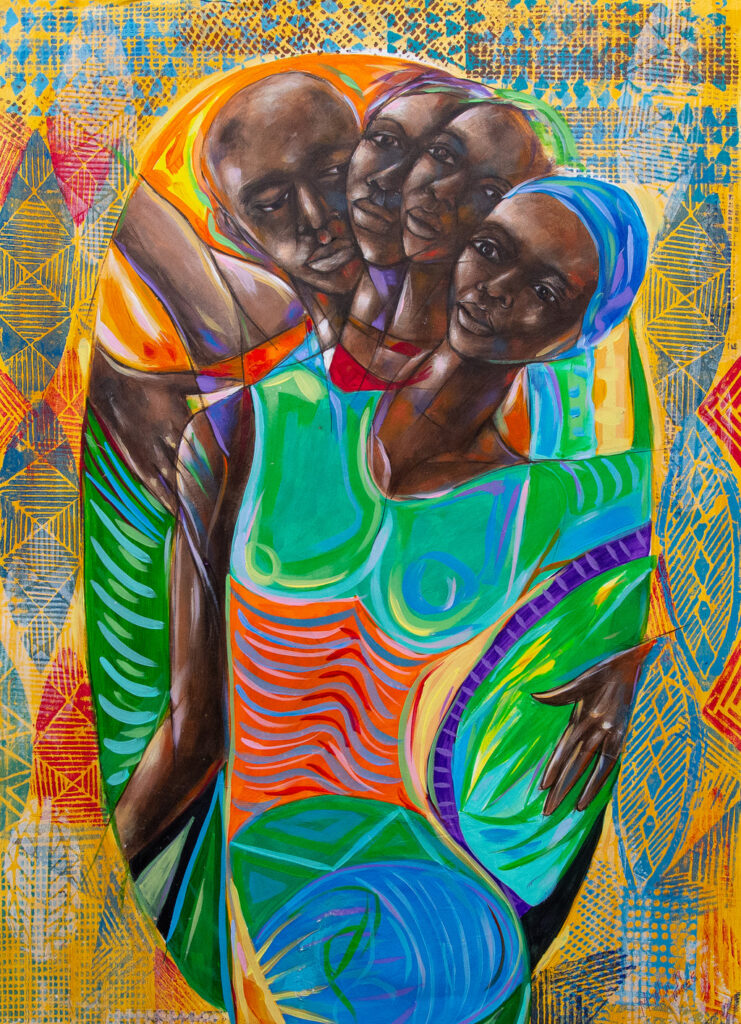
Maxwell Taylor, a native of Nassau in the Bahamas, is strongly influenced by the Black Power movement. Taylor’s work addresses human rights issues, depicting landmark events in the struggle for emancipation, equal rights and equality in the workplace. Throughout his career, he has explored themes of despair, celebration and atrocity.
Discovered as an artist while still a schoolboy, Maxwell Taylor (born 1939) believes that his artistic practice and technique must draw on many creative combinations to realize his vision. Taylor lived in New York for many years, studying at the Art Students League of New York from 1968 to 1972, then continuing his studies in photo-silkscreen at the Pratt Graphic Center in 1972 and in printmaking at Bob Blackburn’s Printmaking Workshop.
After twenty years in New York, during which he worked on construction sites to support his artistic practice, he travelled to the South, to the Carolinas, and then to Europe. Taylor currently lives and works between the Bahamas and Florida.

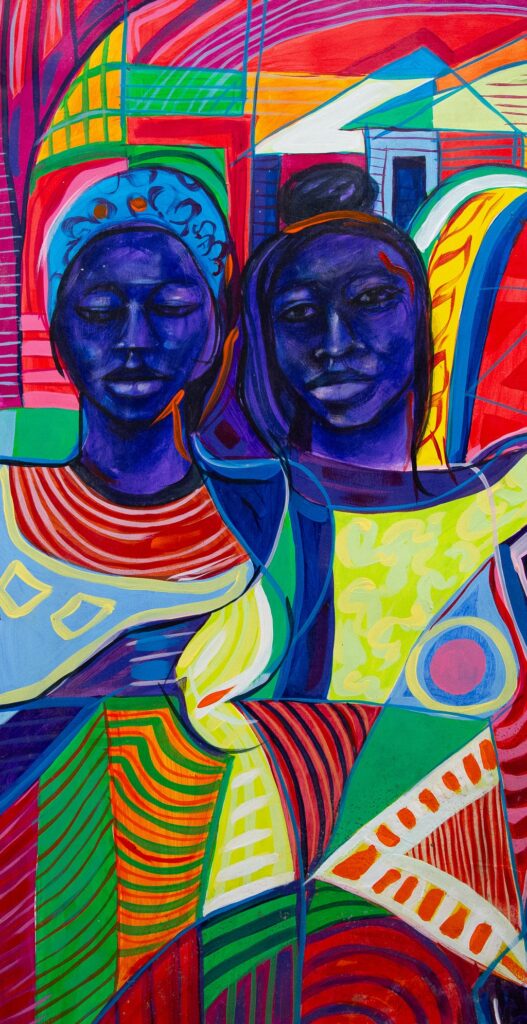


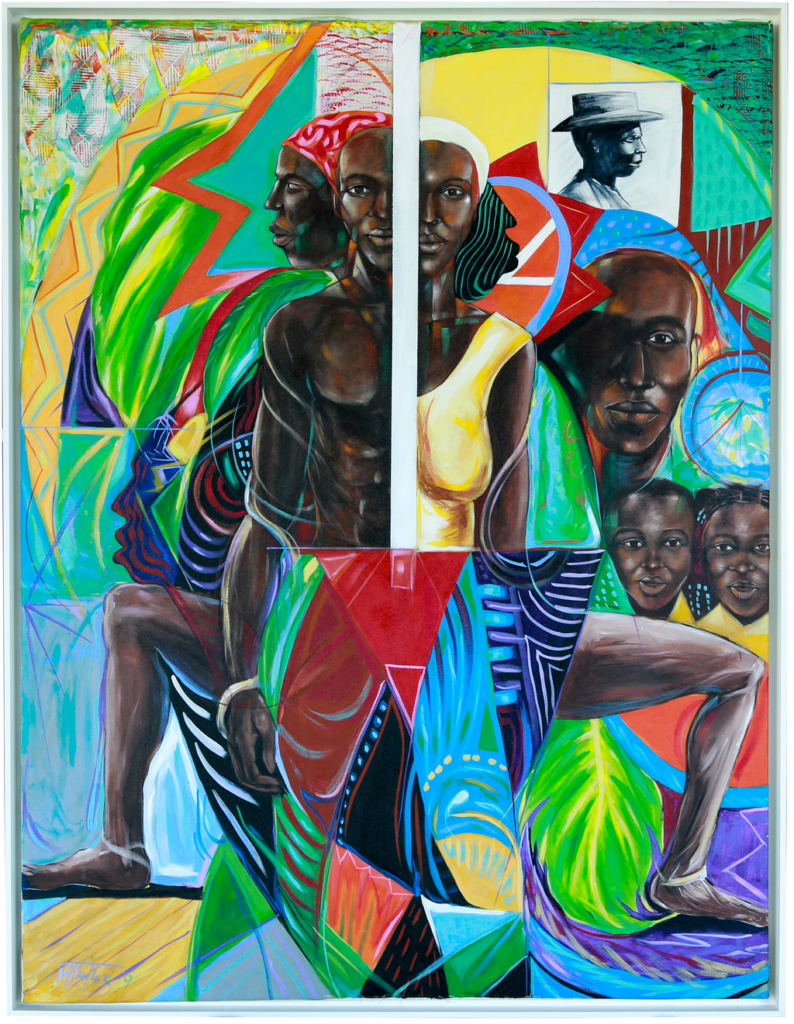

Taylor has taken part in numerous solo exhibitions, and his works are in the collections of the late Nat King Cole and Sir Harold Christie. The National Endowment for the Arts awarded Taylor the Southern Arts Federation Fellowship for works on paper. In 2009, the National Art Gallery of the Bahamas mounted a major retrospective of Taylor’s work in an exhibition titled “Max Taylor: Paperwork, 1960-1992”, which presented a large number of his emotionally charged, large-scale woodcuts.

The stark “The Tragedy of Emmett Till” (1983) depicts a tragic moment in American history, in Mississippi in 1955, when the 14-year-old boy of that name was lynched for flirting with a white woman (also on view in the current exhibition). Works from the National Collection such as “Cry Freedom, S.A.” (1990) and “Johnny Gone, South Africa” (1990) likewise speak to global movements for civil justice and, in particular, to the era of apartheid. While private collectors can buy works that delight or charm them, in building a national collection an acquisitions committee must weigh many criteria beyond aesthetics.


